SOL
Desert power, measured and on the record
Renewable Energy Phoenix is a small independent publication covering clean energy in the Valley: utility-scale solar and storage, the canals that carry water and now carry panels too, and the heat waves and monsoon storms that test the grid every single year. Every story is dated and sourced, we say so when the numbers are still soft, and we keep an eye on what it all means for your summer power bill.
EST. 2026UPDATED WEEKLYPHOENIX, ARIZONA

Extreme heat, by the numbers
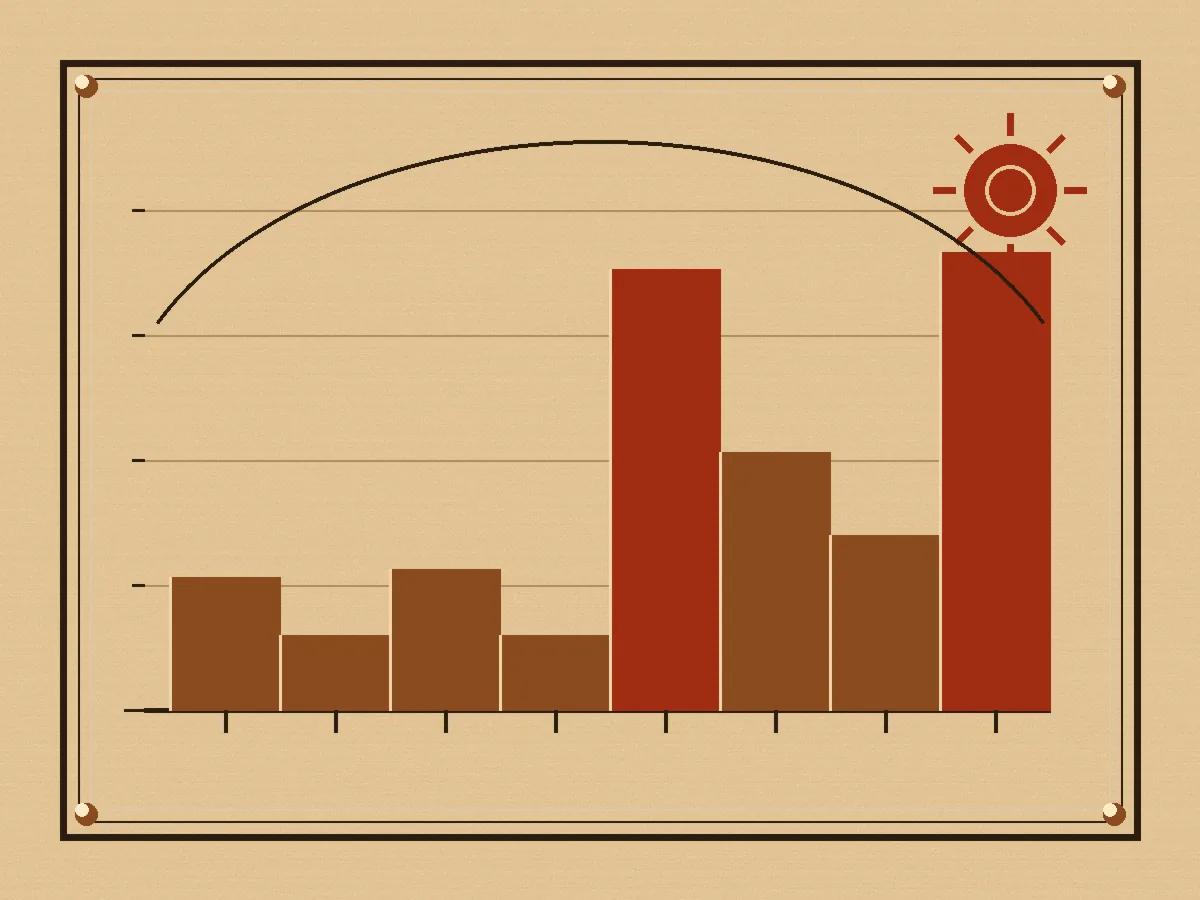
Phoenix's record run of 110-degree days in summer 2023, per National Weather Service reporting.
The full-year count that same year, the hottest stretch in the city's recorded history.
Heat is the load the Arizona grid was built around. Cooling demand climbs with every degree, and the hours after sunset stay expensive unless storage carries the evening. Phoenix responded in 2021 by creating the Office of Heat Response and Mitigation, described as the first city office of its kind in the nation.
Storage is the quiet half of that answer. The Solana Generating Station near Gila Bend, about 280 megawatts of parabolic-trough solar with roughly six hours of molten-salt storage, has been delivering power into the evening since 2013, a working proof that desert sun can outlast the afternoon.
Counts of 110-degree days vary a little by station and rounding. Treat the chart as illustrative; the record heat is not in question.
Solar over water
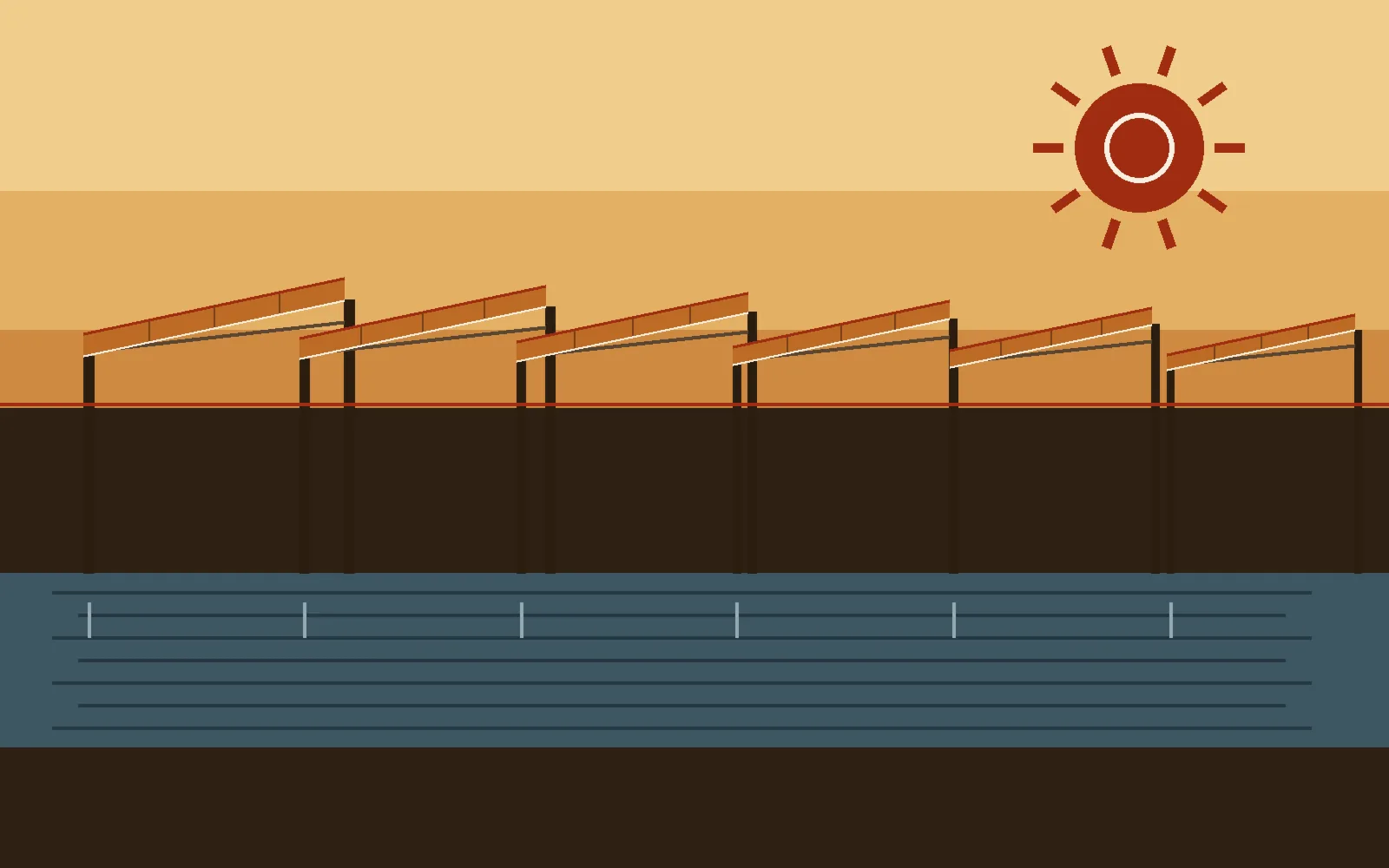
About 30 miles south of Phoenix, the Gila River Indian Community covered a stretch of the Casa Blanca Canal near Sacaton with solar panels. The project signed its agreement with the U.S. Army Corps of Engineers in November 2023, drew $5.65 million in federal Inflation Reduction Act funding announced that December, and sent first power in early October 2024. It is the first operational solar-over-canal project in the country.
The idea does two jobs at once: it makes electricity and it shades water in a state that worries about both. SRP keeps more than 130 miles of canals serving the Phoenix area, which is a lot of water sitting under a fierce sun.
Read the full analysis of the Casa Blanca Canal project, including the honest math on how much water shading actually saves.
-
NOV 2023
Project partnership agreement signed
The Gila River Indian Community and the U.S. Army Corps of Engineers put the Casa Blanca Canal crossing on paper.
-
DEC 2023
$5.65 million in federal funding announced
Inflation Reduction Act money for the project, announced by the Department of the Interior.
-
OCT 2024
First power on the Casa Blanca Canal
Roughly 3,000 feet of canal covered with about 2,500 panels, a 1.31 megawatt nameplate, and a first year of production ahead.
The monsoon test
Every July through September, the monsoon rewrites the Valley's power math. Afternoon storm clouds cut solar output at the exact hours when cooling demand peaks, and humid nights slow the city's overnight recovery, so the next morning starts warmer and more expensive than the forecast said.
Then there is the hardware side: lightning, wind, and flash flooding all stress transmission lines and substations in ways that polite winter weather never does. Arizona utilities plan around the season's daily rhythm the way farmers do, because the grid and the farms answer to the same sky.
The monsoon is not an enemy of desert solar. The storms cool the worst heat waves, refill reservoirs, and remind everyone what the system is for: keeping a city habitable through whatever the sky does next.

How we work

Four rules we follow
- Every story carries its date, so you can tell what was true when it was written.
- Figures are attributed to a named source, and hedged where honest people count differently. If station and rounding disagree, we say so.
- All the illustrations on this site are original artwork, not stock images.
- Projects change, so stories are re-checked as they develop, and corrections are posted openly with the date of the change.
Data centers want desert sun and cheap land
Filed Oct. 10, 2026. The Phoenix metro is one of the busiest places in the country to build server warehouses.